These ideas are bound to be controversial since they contradict established practice and so do not appear to make sense. For instance it has been common practice to place a circle of mulch under a newly planted tree, yet here it is suggested that we should abandon this. The reason why is explained in an article by Benjamin Vogt which I found over on the Houzz website.
For decades we?ve had landscape principles in place that might hinder us from creating thriving, sustainable landscapes. I?ve covered some of these principles, or rules, in the past, but there are more to consider amending as a new garden season is upon us.
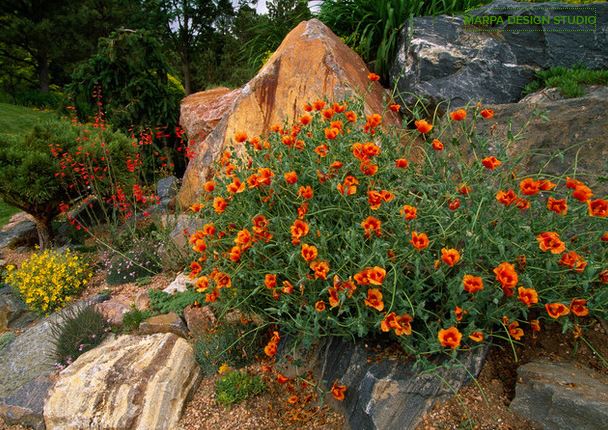
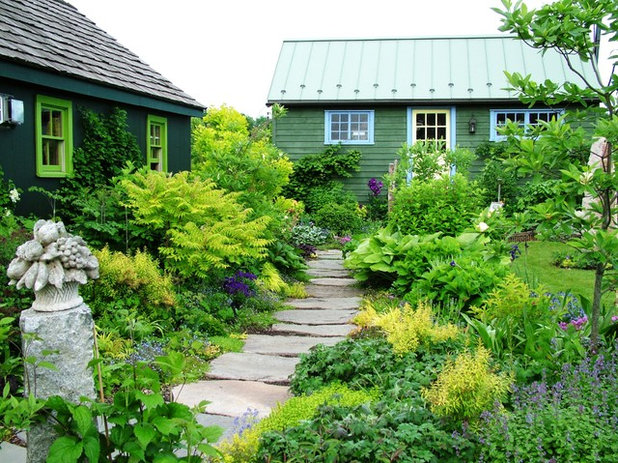
Here are some ways that we can rethink some gardening practices so that our outdoor spaces can be what we?ve always imagined them to be ? places where wildlife and people connect and grow together.1. Plant shorter flowers, grasses and ground covers among larger ones to mimic nature. There?s a tendency to think of garden borders and beds as tiered levels: short up front or on the outside edge, medium-height stuff in the middle and tall plants in the back. But our landscapes don?t need to look like bleachers at high school football games.
Go ahead and plant shorter things among taller stuff. Grow a sedge (Carex sp.) or tickseed (Coreopsis sp.) that reaches 1 foot to 2 feet tall among some 3- to 4-foot-tall little bluestem (Schizachyrium scoparium), meadow blazingstar (Liatris ligulistylis), stiff goldenrod (Oligoneuron rigidum) or Culver?s root (Veronicastrum virginicum). The shorter plants will also act like a living mulch, mimicking what nature does by letting plants duke it out to find some equilibrium.
See more at Houzz