Introduction
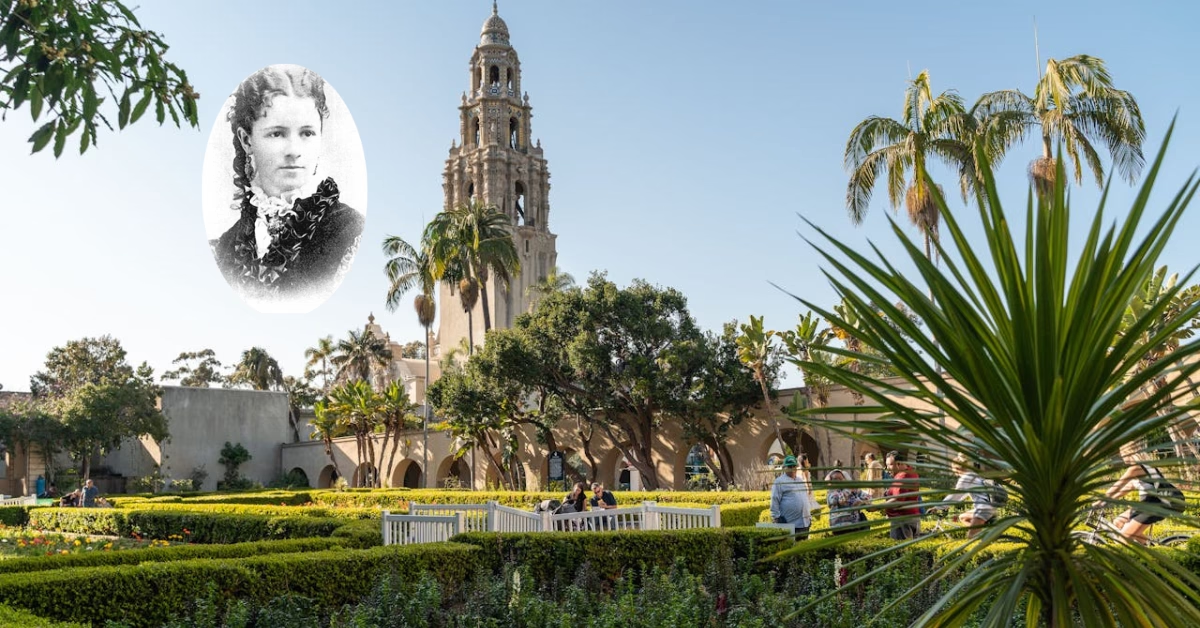
Before xeriscaping became the hottest trend in sustainable gardening, one pioneering woman was already creating stunning drought-resistant landscapes in Southern California’s desert climate.
Kate Sessions, often called “The Mother of Balboa Park,” transformed San Diego from a dusty frontier town into America’s garden city using water-wise techniques that were revolutionary for the 1890s.
Today, as water conservation becomes increasingly critical and climate change challenges traditional gardening approaches, Sessions’ time-tested methods offer modern gardeners a proven blueprint for creating beautiful, sustainable landscapes.
Her philosophy was simple but revolutionary: work with your climate, not against it.
In this post, you’ll discover the drought-resistant gardening secrets that Kate Sessions developed over 130 years ago, learn about the specific plants she used to transform an entire city, and get actionable tips for applying her techniques in your own garden today.
1: Kate Sessions’ Revolutionary Approach
When Kate Sessions arrived in San Diego in 1883, the city was essentially a barren wasteland.
Annual rainfall averaged just 10 inches, summers were scorching, and most attempts at traditional gardening failed miserably.
While other gardeners fought their environment with constant watering and inappropriate plant choices, Sessions took a radically different approach.
Her breakthrough moment came in 1892 when she negotiated an unprecedented deal with the San Diego city government.
She would lease 30 acres in what would become Balboa Park for her nursery, and in exchange, she committed to planting 100 trees annually in the park and donating 300 trees each year to the city.
Sessions’ Core Philosophy:
- Climate Compatibility First: Choose plants naturally adapted to your region’s rainfall and temperature patterns
- Native Plant Foundation: Use indigenous species as the backbone of any landscape design
- Water-Wise Zoning: Group plants with similar water needs together
- Soil Preparation: Improve drainage and soil structure before planting
- Strategic Plant Placement: Consider sun, wind, and natural water flow patterns
This wasn’t just theoretical for Sessions – she was running a business that had to succeed. Every plant she chose had to thrive with minimal water input while creating the lush, attractive landscapes that would build her reputation and grow her nursery business.
Her success was so dramatic that by 1915, when San Diego hosted the Panama-California Exposition, visitors from around the world marveled at the city’s transformation.
What had been desert just 23 years earlier was now a botanical wonderland that attracted international attention.
2: Sessions’ Drought-Resistant Plant Champions
Kate Sessions’ plant selections weren’t random experiments – they were carefully chosen based on her study of each species’ natural habitat and water requirements.
Her most successful introductions became the foundation of Southern California’s iconic landscape.
Australian Eucalyptus Varieties:

Sessions recognized that Australia’s climate closely matched San Diego’s, making Australian plants perfect candidates for introduction. She imported over 100 eucalyptus species, testing each one’s adaptation to local conditions.
- Eucalyptus globulus (Blue Gum): Fast-growing windbreak trees
- Eucalyptus citriodora (Lemon-scented Gum): Ornamental with natural pest resistance
- Eucalyptus ficifolia (Red Flowering Gum): Stunning flowers with minimal water needs
Modern Application: Today’s gardeners can use Sessions’ eucalyptus selections for privacy screens, specimen trees, and erosion control on slopes.
California Native Plants:
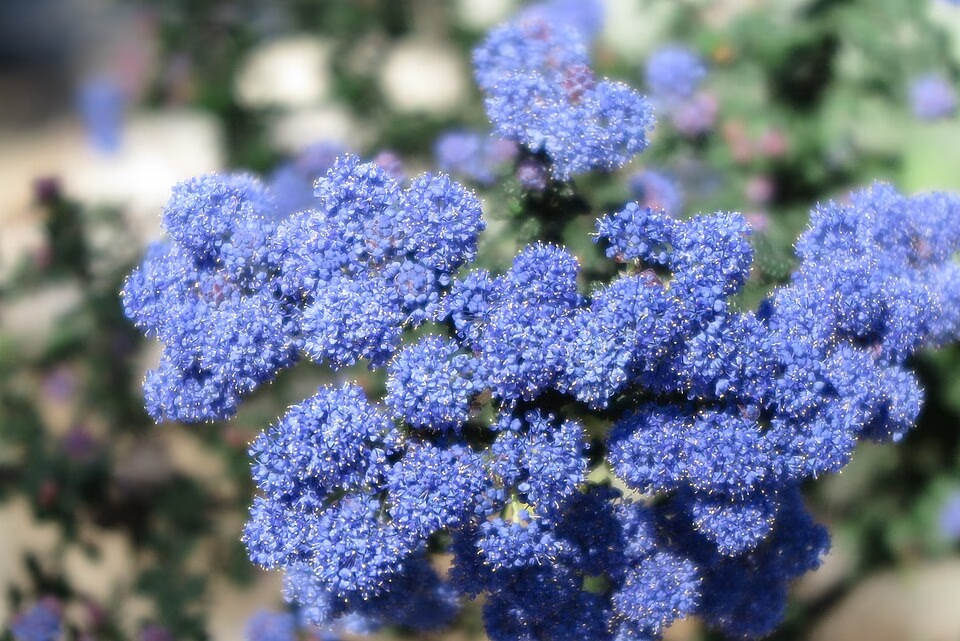
Unlike many of her contemporaries who favored exotic imports, Sessions championed native California species that were naturally drought-adapted.
- Ceanothus (California Lilac): Spring blooms with zero summer water
- Arctostaphylos (Manzanita): Sculptural form and drought tolerance
- Salvia species: Continuous blooms attracting beneficial insects
- Live Oaks: Long-lived shade trees requiring no supplemental water once established
Modern Application: These plants form the perfect foundation for today’s water-wise gardens, requiring no irrigation after the first 2-3 years.
Succulent Innovations:
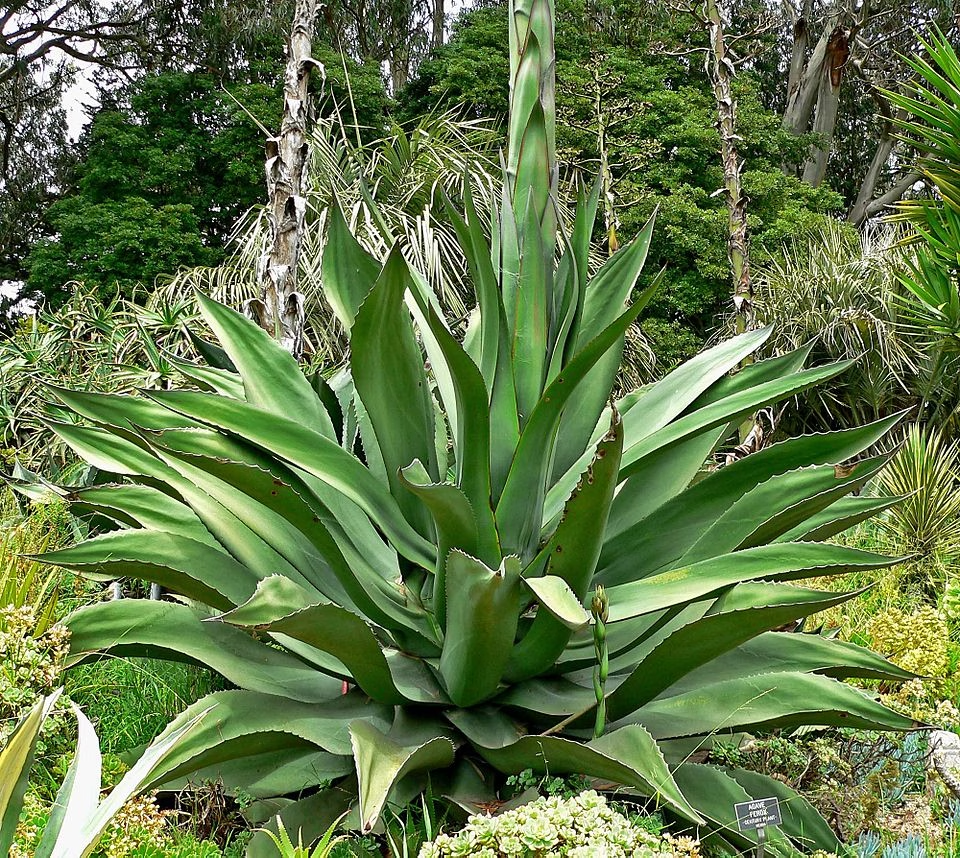
Sessions was among the first landscape designers to use succulents extensively in ornamental gardens, not just as curiosities.
- Agave species: Architectural focal points
- Aloe varieties: Year-round interest with seasonal blooms
- Echeveria: Colorful groundcover options
Strategic Palm Selection:
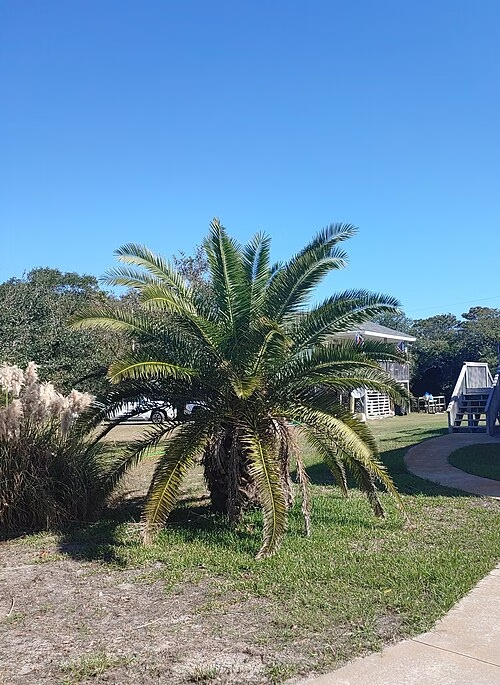
Sessions chose palm species based on their natural water requirements and wind tolerance:
- Phoenix canariensis (Canary Island Date Palm): Iconic street tree requiring minimal water
- Washingtonia filifera (California Fan Palm): Native species for authentic regional landscapes
Sessions’ Selection Criteria:
Every plant had to meet her strict standards:
- Survive on natural rainfall after establishment (2-3 years maximum irrigation)
- Provide year-round visual interest
- Adapt to San Diego’s sandy soils and ocean winds
- Complement other drought-resistant species in mixed plantings
Her choices created plant communities that supported each other, with deep-rooted trees providing shade for smaller plants and different species contributing to soil health through varied root structures.
3: Sessions’ Drought-Resistant Design Principles
Kate Sessions didn’t just choose the right plants – she revolutionized how those plants were arranged and maintained. Her design principles created landscapes that actually became more drought-resistant over time.
Principle 1: Hydrozoning Long before the term existed, Sessions grouped plants by their water needs:
- Zone 1: Drought-tolerant natives requiring no summer water
- Zone 2: Mediterranean-climate plants needing occasional deep watering
- Zone 3: Higher-water plants concentrated near natural drainage areas
Modern Application: Design your garden in water-use zones, placing thirstiest plants closest to water sources and most drought-tolerant plants in areas that rely on natural rainfall.
Principle 2: Soil Modification for Water Retention Sessions understood that San Diego’s sandy soil drained too quickly for most plants. Her solutions:
- Organic Matter Addition: Composted materials to improve water retention
- Strategic Mulching: Heavy mulch layers to reduce evaporation
- Terracing: Creating level planting areas that captured and held rainwater
Modern Application: Improve your soil’s water-holding capacity with compost and mulch rather than fighting it with constant irrigation.
Principle 3: Natural Water Harvesting Sessions designed landscapes to capture and direct natural rainfall:
- Swales and Berms: Directing runoff to planted areas
- Strategic Grading: Creating subtle depressions around trees and shrubs
- Hardscape Integration: Using paths and patios to direct water flow
Modern Application: Observe your property’s natural water flow during rain and modify your landscape to capture and utilize this free irrigation.
Principle 4: Gradual Establishment Sessions understood that drought-resistant didn’t mean zero-water. Her establishment protocol:
- Year 1: Regular watering to establish root systems
- Year 2: Reduced watering schedule, training plants to find deeper water
- Year 3+: Natural rainfall only, with emergency watering only during extreme drought
Modern Application: Invest time in proper establishment rather than expecting instant drought tolerance. The payoff is decades of low-maintenance beauty.
4: Applying Sessions’ Techniques in Your Modern Garden
Kate Sessions’ principles work in any climate – the key is adapting her plant selection methodology to your specific region while applying her time-tested design strategies.
Step 1: Climate Analysis (Sessions’ Style)
Before choosing any plants, Sessions studied local weather patterns, soil conditions, and natural vegetation. Apply her method:
- Research Your Natural Rainfall: When does it come? How much? How reliable?
- Identify Native Plants: What thrived in your area before development?
- Observe Successful Local Gardens: Which established landscapes look great with minimal water?
- Test Your Soil: Drainage, pH, and nutrient levels affect water needs
Step 2: Plant Selection Using Sessions’ Criteria
For each plant you’re considering, ask Sessions’ questions:
- Origin Climate: Does this plant come from a climate similar to mine?
- Water Requirements: Can it survive on my natural rainfall after establishment?
- Multi-Season Interest: Does it contribute to garden beauty year-round?
- Community Function: How does it support other plants and beneficial insects?
Sessions-Inspired Plant Categories for Different Climates:
For Mediterranean Climates (California, parts of Australia):
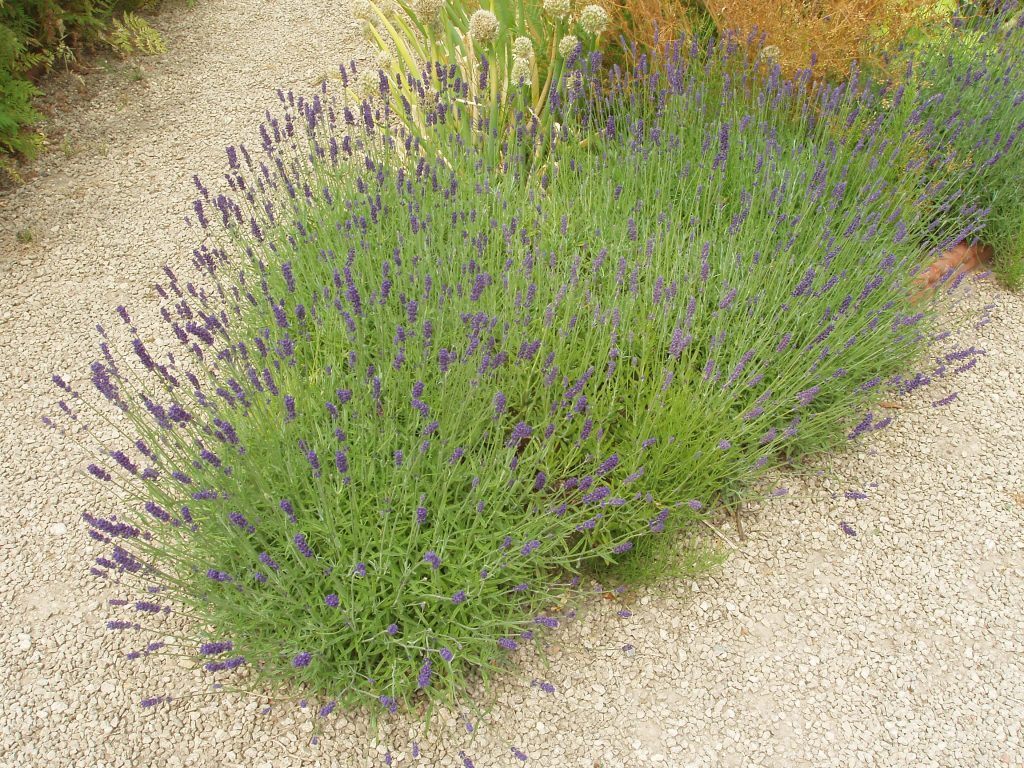
- Lavender, rosemary, olive trees, native oaks, manzanita
For Desert Southwest (Arizona, Nevada, New Mexico):
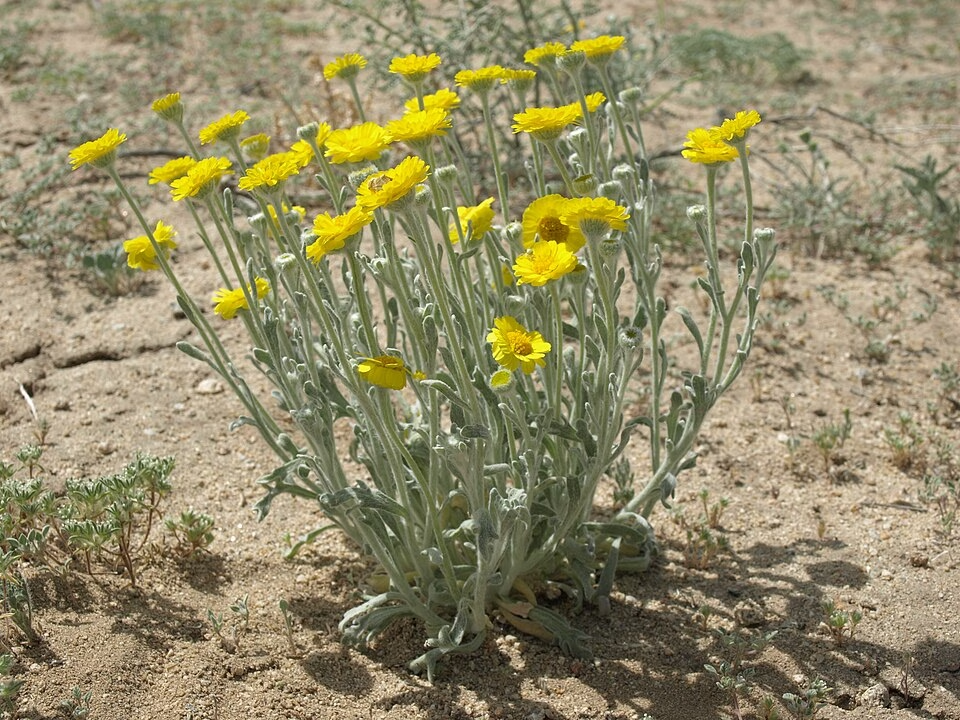
- Palo verde, desert willow, penstemon, desert marigold, agave
For Hot, Humid Climates (Southeast US):
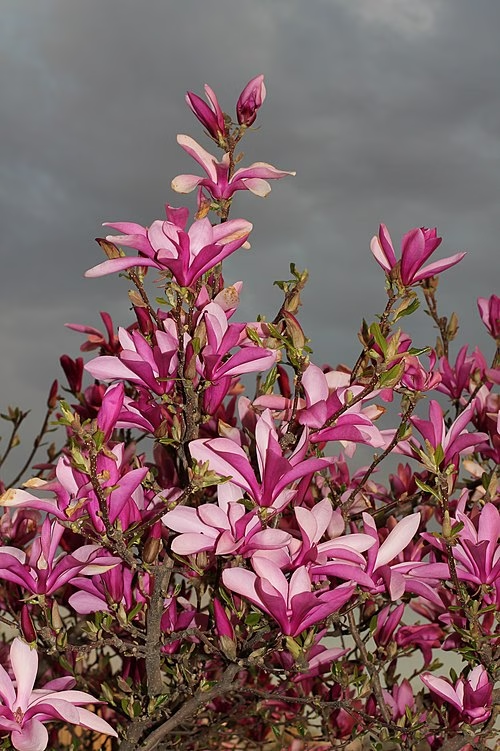
- Native azaleas, Southern magnolia, coontie, firebush, beautyberry
For Cold, Dry Climates (Mountain West):
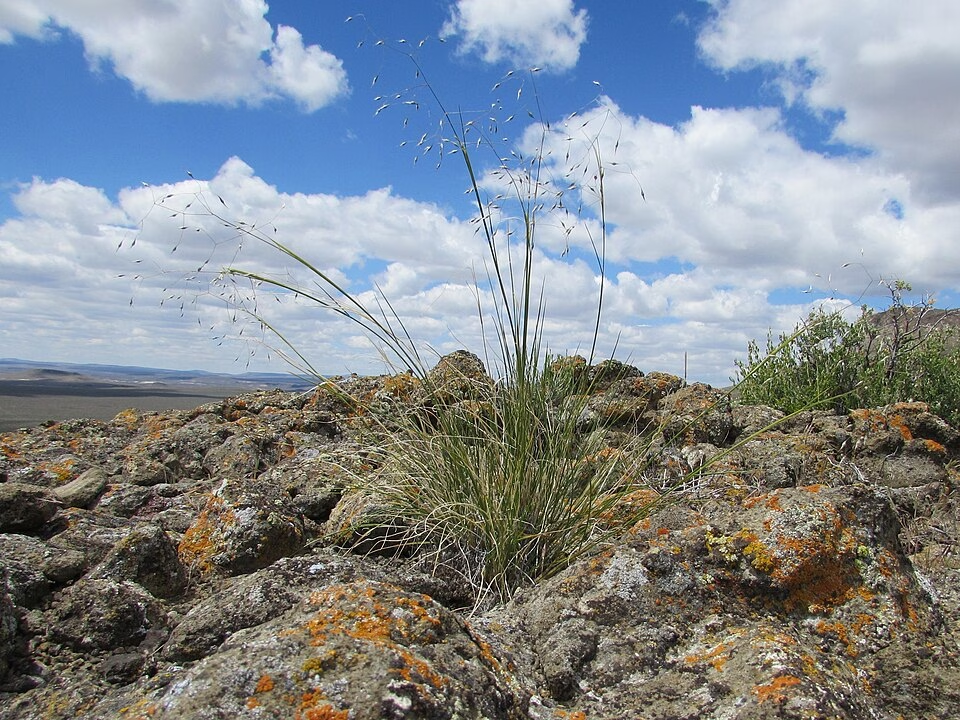
- Native grasses, rabbitbrush, Utah juniper, penstemon, Indian ricegrass
Step 3: Design Implementation
Create your drought-resistant garden using Sessions’ layout principles:
- Start with Structure: Place largest, most drought-tolerant plants first
- Create Microclimates: Use larger plants to shelter smaller ones
- Plan Water Zones: Group plants by water needs, prioritizing natural drainage
- Design for Maintenance: Ensure easy access for the minimal care required
Step 4: Sessions’ Maintenance Philosophy
- Deep, Infrequent Watering: Train roots to grow deep rather than stay shallow
- Seasonal Pruning: Remove dead material and shape plants during dormant periods
- Organic Mulch: Maintain 3-4 inch layer to conserve soil moisture
- Patience: Allow 2-3 years for full establishment and drought adaptation
Modern Tools Sessions Would Love:
- Drip Irrigation: For efficient establishment watering
- Moisture Meters: To avoid overwatering during establishment
- Weather Apps: To track rainfall and plan watering schedules
- Native Plant Society Resources: For region-specific plant recommendations
5: Creating Your Own Sessions-Inspired Garden Plan
Ready to transform your landscape using Kate Sessions’ proven methods? Here’s your action plan:
Month 1: Research and Planning
- Analyze your property’s microclimates, drainage, and sun patterns
- Research drought-tolerant plants suitable for your specific climate zone
- Create a rough design grouping plants by water needs
- Calculate your average annual rainfall and identify dry seasons
Month 2-3: Soil Preparation
- Test and improve soil drainage if necessary
- Add organic matter to improve water retention in sandy soils
- Create berms or swales to direct natural rainfall to planted areas
- Install any hardscape elements that will direct water flow
Month 4-6: Planting and Initial Establishment
- Plant during your region’s optimal season (usually fall or early spring)
- Install temporary irrigation for establishment period
- Apply thick mulch layer around all plantings
- Begin gradual reduction of watering frequency
Years 2-3: Training for Independence
- Gradually reduce irrigation frequency and duration
- Monitor plants for stress and adjust watering as needed
- Remove temporary irrigation systems as plants establish
- Enjoy your increasingly self-sufficient landscape
Long-term: Sessions’ Legacy in Your Garden Within 3-5 years, you’ll have created a landscape that requires minimal water while providing maximum beauty – exactly what Kate Sessions achieved in San Diego over a century ago.
Conclusion and Call-to-Action
Kate Sessions proved that working with nature, rather than against it, creates the most beautiful and sustainable gardens. Her drought-resistant techniques transformed not just individual properties, but an entire city’s relationship with water and plants.
Today, as water becomes increasingly precious and climate challenges intensify, Sessions’ time-tested methods offer hope and practical solutions for gardeners everywhere.
By choosing climate-appropriate plants, designing for natural water flow, and allowing plants time to establish deep root systems, we can create landscapes that thrive with minimal irrigation while supporting local ecosystems.